What Is a Mobile Driver's License (mDL)? Trust Guide 2026
Your driver's license is going digital. Instead of handing over a plastic card, you'll tap your phone and share only the information that's actually needed. Here's what that looks like in practice, and why it matters if your business checks IDs.
March 2026Identity Is Moving From Physical to Digital
For decades, proving who you are meant pulling a card out of your wallet. Driver’s license. Passport. State ID. The system worked well enough, but it was built for a pre-smartphone world.
Now that world is catching up. Over 20 US states already issue mobile driver’s licenses, and the number keeps climbing. If your organization verifies identities at any point, this shift will affect you sooner than you think.
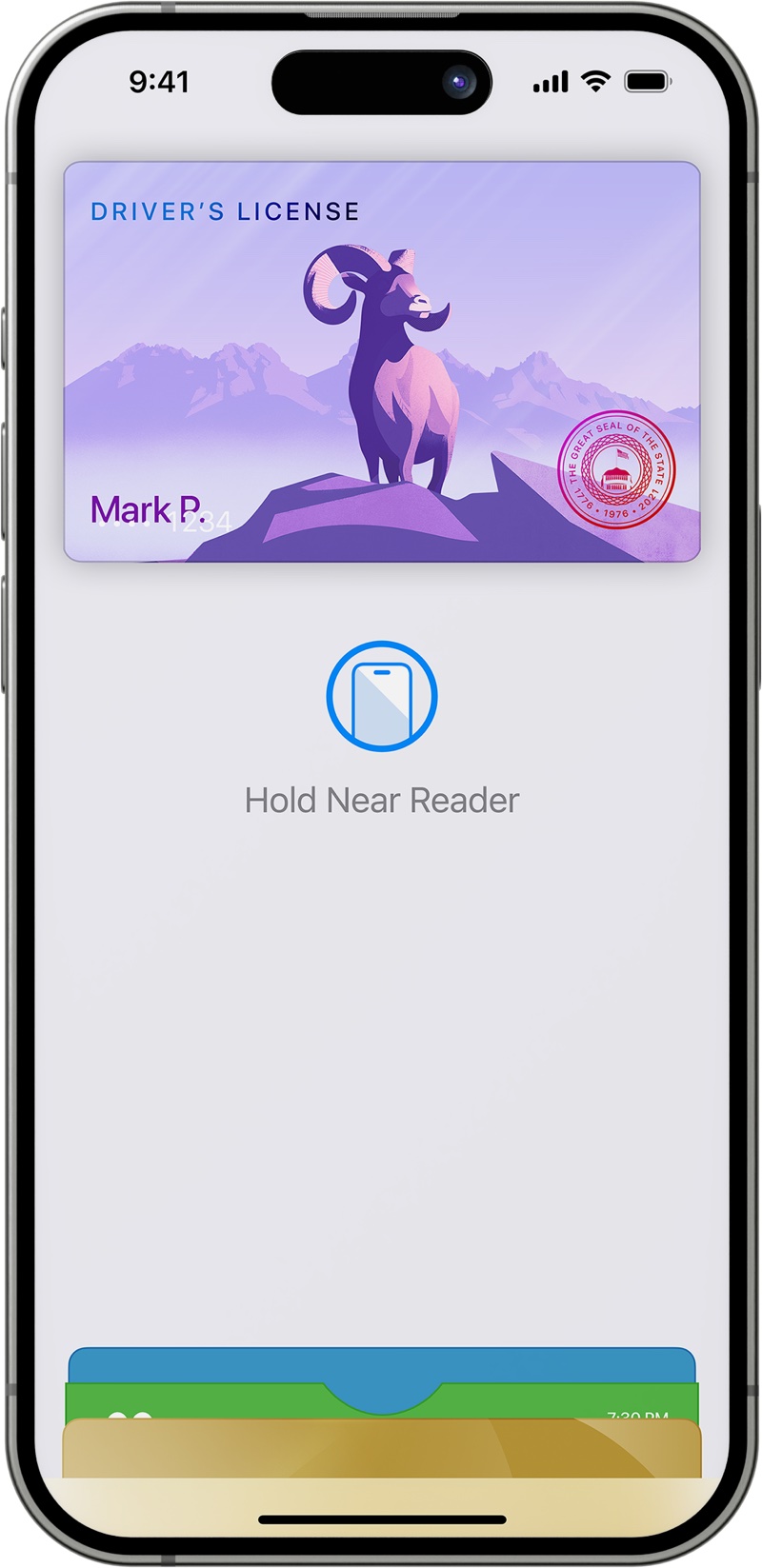
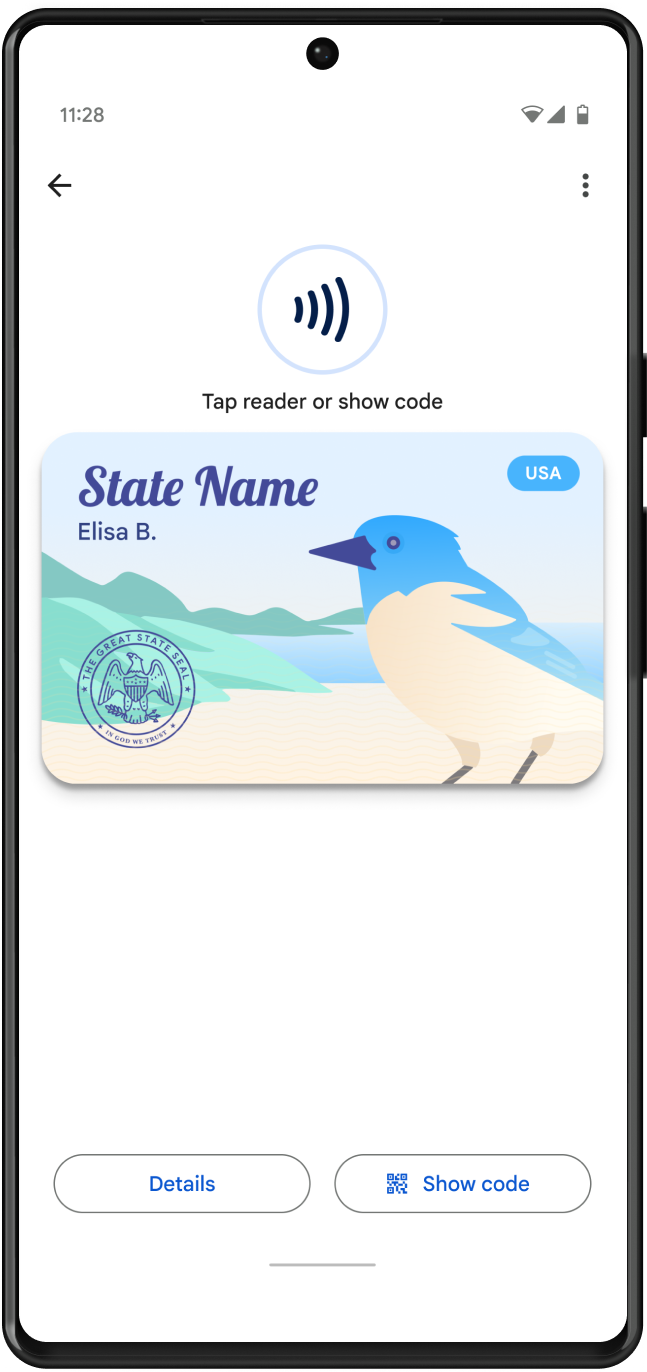
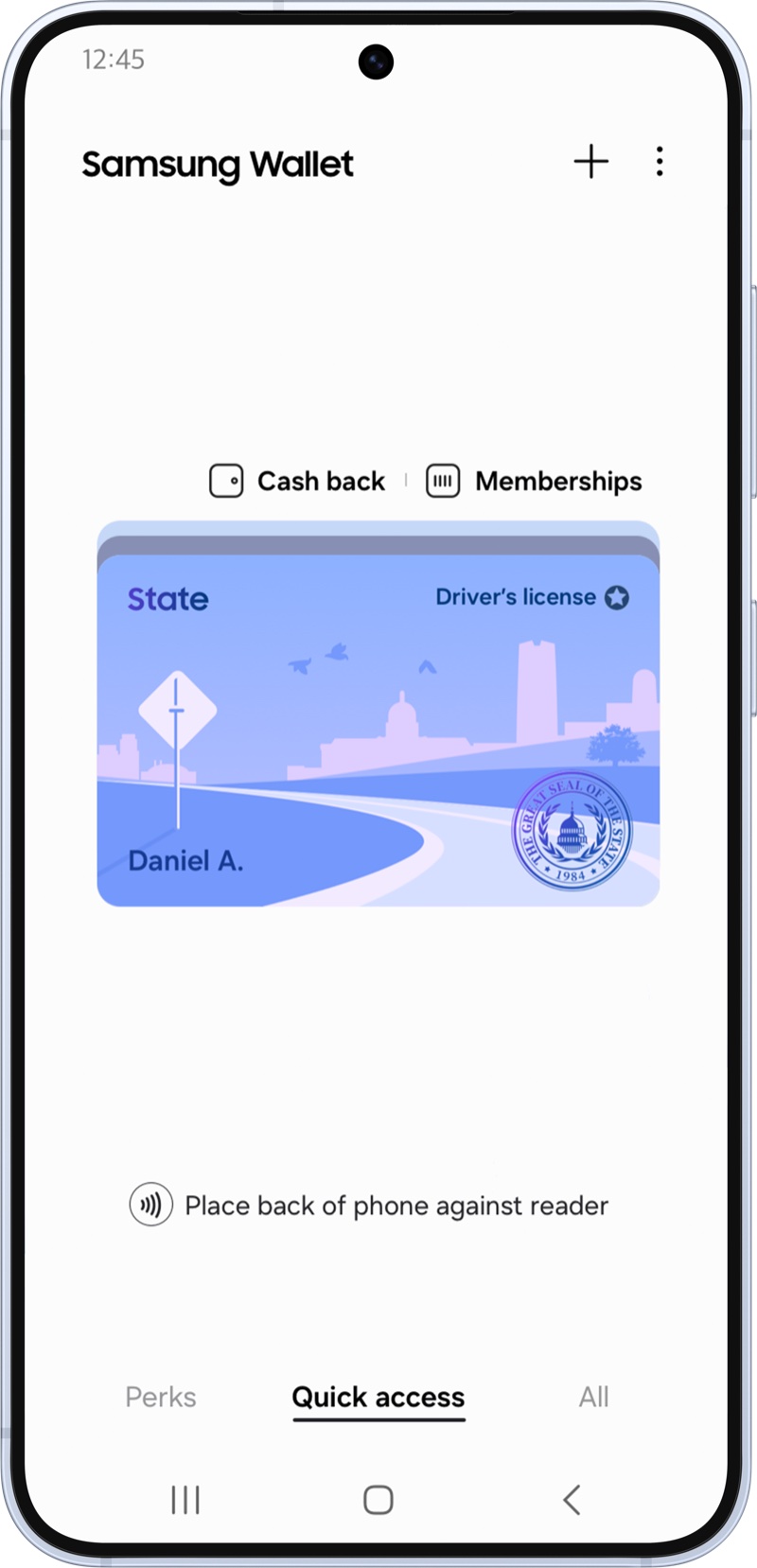
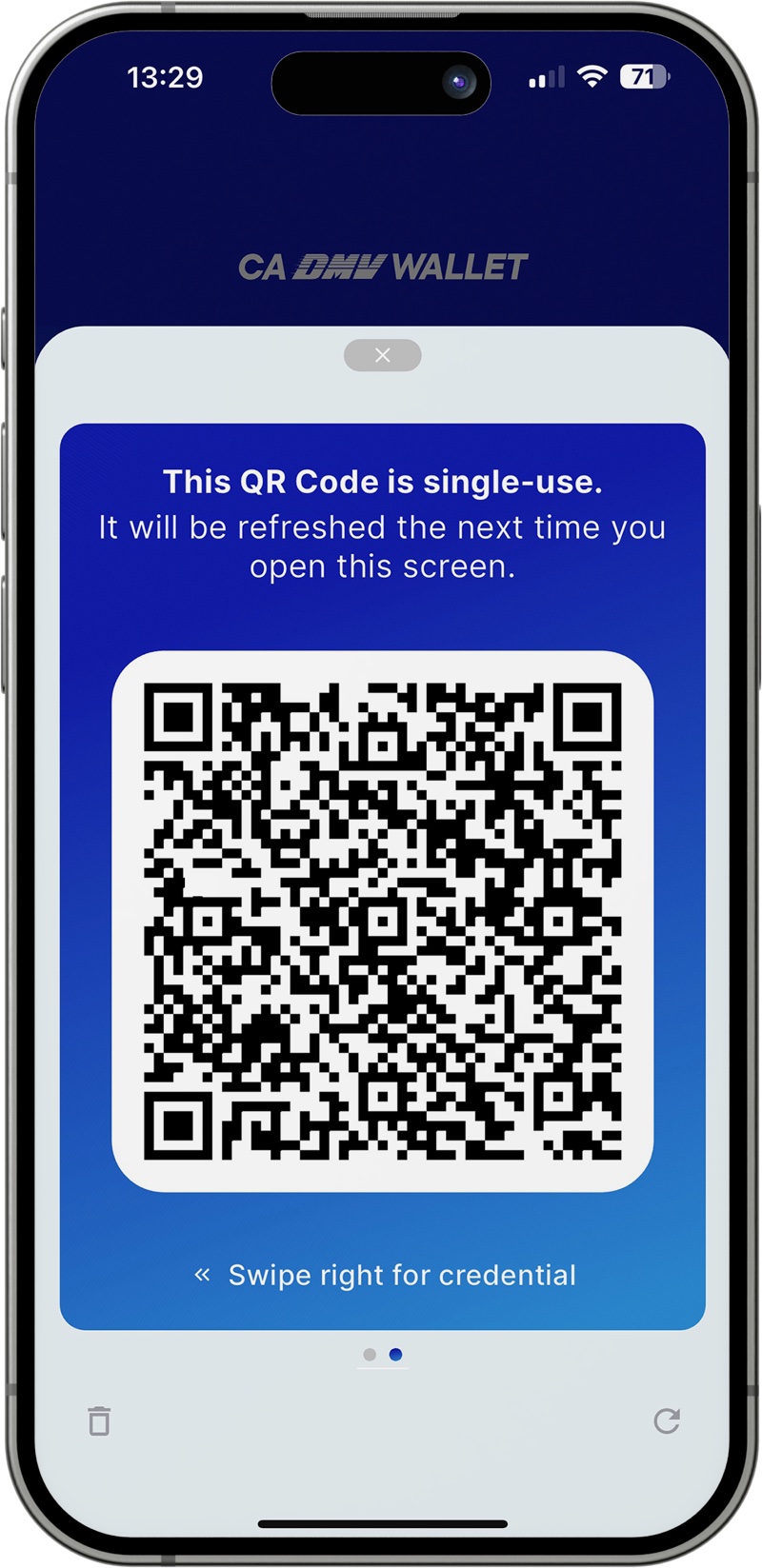
A mobile driver’s license (mDL) is a government-issued driving credential that lives on your smartphone. It’s issued by a state DMV, stored in a digital wallet like Apple Wallet, Google Wallet, Samsung Wallet, or a state-specific app, and designed to be presented and verified electronically.
But an mDL is not just a picture of your plastic card on a phone screen. Three things make it fundamentally different:
Digital signature. When a DMV issues an mDL, it signs the credential data with a cryptographic key. Any verifier can mathematically confirm the credential came from a legitimate issuer and hasn’t been altered.
You control what gets shared. Hand someone your plastic license and they see your full name, address, date of birth, everything. An mDL flips that. Buying beer? The verifier gets a simple “yes, over 21” without ever seeing where you live.
It works across state lines. The international standard ISO/IEC 18013-5 defines how mDLs are structured and communicated. That’s why a credential issued in Georgia can be read by a verifier in another country entirely.
The Trust Triangle: How Digital Identity Verification Works
Every mDL transaction involves three participants. Understanding these roles is key to understanding why mobile driver’s license (mDL) verification is more secure than traditional methods.
Because the proof of authenticity lives inside the credential, verification can happen anywhere, even without an internet connection.

The Standard Behind mDLs: ISO/IEC 18013-5
For mobile driver’s licenses to work across state lines, wallet platforms, and verifiers, everyone needs to speak the same language. That language is ISO/IEC 18013-5, the international standard that defines how mDLs operate.
ISO 18013-5 specifies the data format, security model, and communication protocols for in-person mDL verification. It’s the reason a mobile driver’s license (mDL) issued in California can be verified by a verifier in New York.
Interoperability
Credentials from any state work with any standards-compliant verification device.
Offline Verification
Verified via NFC tap or QR code scan without an internet connection.
Cryptographic Validation
Digital signatures prove data was issued by a trusted government authority.
Privacy by Design
Selective disclosure lets holders control exactly what data to share.
Why Organizations Are Adopting mDL Verification
For businesses that verify identity, the shift from physical to digital addresses fundamental problems with how identity checking has worked for decades.
Fraud Prevention
Fake physical IDs are a persistent problem. Cryptographic verification eliminates the guesswork. An mDL is either mathematically valid or it isn’t. There is no gray area and no need for staff to make judgment calls about whether a card looks “real.”
Privacy Through Selective Disclosure
When someone hands over a physical ID, the verifier sees everything: name, address, date of birth, license number. With mDL verification, the holder can share only what’s needed. A bar can confirm someone is over 21 without ever seeing their home address.
Faster Verification
An NFC tap or QR code scan completes an identity check in seconds. Compare that to squinting at a physical card, mentally calculating ages, or running an ID through a separate scanning device. Devices like the Tap2iD™ Verifier make this possible in under five seconds.
Reduced Data Liability
With selective disclosure, organizations only receive the data they ask for. Less personal data collected means less data to protect, store, and report on if a breach occurs. This reduces regulatory burden and helps organizations stay compliant with evolving privacy laws.
Where Are Mobile Driver’s Licenses Available Today?
This is a moving target. States are launching new programs, adding wallet support, and expanding acceptance venues on what feels like a monthly basis.
Ready to Verify Mobile IDs?
Explore Credence ID’s digital identity verification platform, purpose-built hardware and software for accepting mobile driver’s licenses and verifiable credentials.